
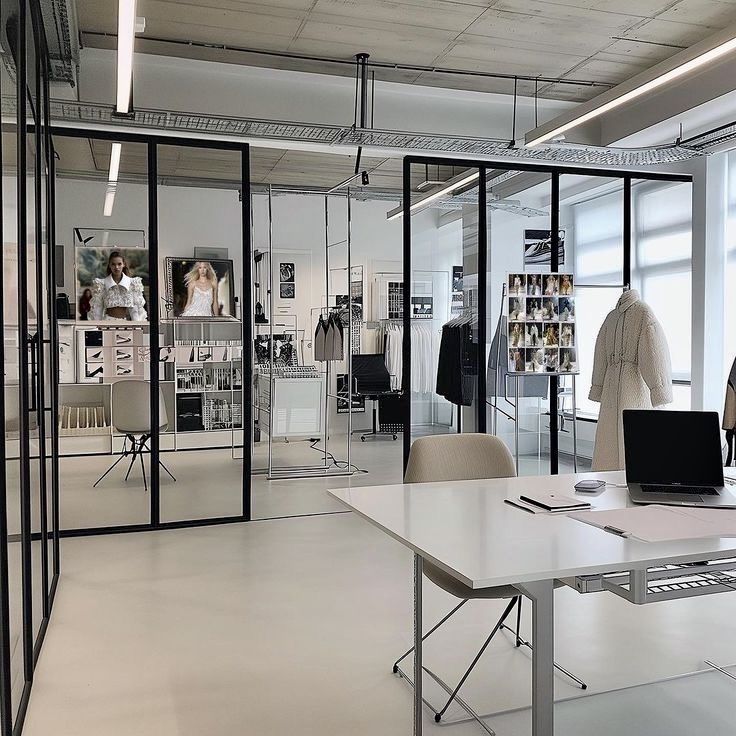
 From idea to reality: A startup story in Tokyo
The dream of launching a business in the heart of Japan is more alluring than ever. With the Business Manager Visa regulations becoming more flexible and the Japanese Yen maintaining a competitive edge for foreign investment, Tokyo has solidified its position as a global startup hub. However, moving from a great idea to a physical reality involves navigating a complex landscape of cultural nuances, legal requirements, and the notoriously intricate Tokyo real estate market.
In this article, we follow a typical journey of a modern entrepreneur—much like the creative minds currently flocking to areas like Setagaya and Shibuya—to explore how to successfully establish a footprint in the world’s most vibrant metropolis.
1. The vision: Why Tokyo is the 2026 startup choice
For many expats, the decision to start a business in Tokyo is no longer just about the domestic market. In 2026, Tokyo has evolved into a strategic base for IT startups, media production and niche tourism. The “Yen-low” era has turned Japan into a cost-effective operational base compared to Silicon Valley or Singapore, while the quality of life remains unparalleled.
Whether you are launching a sustainable fashion brand or a digital media agency, the Made in Japan label still carries immense global prestige and always tempting. But before the first product is sold, the most significant hurdle must be cleared: securing a physical base of operations.
2. The legal foundation: The business manager visa
One cannot discuss starting a business in Tokyo without addressing the Business Manager Visa. Unlike a digital nomad visa, the Business Manager track requires a tangible commitment to the Japanese economy. Key requirements typically include:
Capital investment: A minimum of 5 million JPY in capital.
Physical office space: This is where many entrepreneurs stumble. To satisfy immigration requirements, you cannot simply use a virtual office for a Business Manager Visa. You need a dedicated, physical space that is partitioned and equipped for business activities.
A solid business plan: A comprehensive document outlining your projected revenue, marketing strategy, and contribution to the Japanese market.
3. The real estate challenge: Finding your place
Finding office space in Tokyo is a distinct art form. For a new startup, the traditional commercial market can be daunting. Standard commercial leases often demand a Shikikin (Security Deposit) of 6 to 10 months’ rent. For a small business, this dead capital can be a dealbreaker.
– The rise of SOHO and creative spaces
In response to the influx of freelancers and media professionals, the market in 2026 has seen a surge in SOHO (Small Office/Home Office) buildings. These spaces are hybrid; they allow you to live and work in the same unit while being legally zoned for business registration.
Shibuya & Minato: If your startup is in AI, SaaS, or Fintech, having a Minato-ku address on your business card provides instant “Shinryo” (credibility).
Setagaya & Meguro: Ideal for creative agencies, fashion startups and media freelancers. These wards offer a sophisticated, cool aesthetic that appeals to designers and influencers.
4. Case study: The fashion startup journey
Consider the story of a recent entrepreneur who launched a boutique fashion line in Tokyo. Her journey mirrors the path many of our clients at Momo Estate take:
Phase 1: The search
She needed a space that could act as a showroom, a design studio, and a compliant office for her visa. Traditional offices felt too sterile, and residential apartments wouldn’t allow a business sign on the door.
Phase 2: The strategy
Working with an English-speaking real estate consultant, she pivoted her search to renovated vintage apartments in the Kyodo/Setagaya area. These spaces offered high ceilings and the “industrial-chic” vibe necessary for her brand, at a fraction of the cost of a Shibuya high-rise.
Phase 3: The lease
By choosing a property specifically marketed toward Creative Startups, she negotiated a deposit of only 2 months’ rent, preserving her capital for fabric sourcing and digital marketing.
5. Cultural nuances: The soft side of business
Beyond the paperwork, the reality of a Tokyo startup involves building relationships. The Japanese concept of “Hou-Ren-So” (Report, Inform, Consult) applies even to your relationship with your landlord and local ward office.
In 2026, networking has moved into “Work-Style Reform” hubs. Joining local entrepreneurial communities—such as those found in Shibuya’s startup incubators—is essential for finding reliable accountants, bilingual lawyers, and potential collaborators.
Conclusion: Let Momo Estate bridge the gap
The transition from a visionary idea to a functional Tokyo reality is a marathon, not a sprint. The logistics of real estate should be the foundation of your success, not a barrier to it.
At Momo Estate, we specialize in helping foreign entrepreneurs find the perfect balance between compliance, cost, and style. Whether you need a high-end office in Roppongi or a creative SOHO in the suburbs, we understand the unique needs of the 2026 startup landscape.
Ready to turn your Tokyo dream into a reality?Contact us today for a consultation on the best startup-friendly properties in the city.
Summary checklist for your Tokyo startup:
[ ] Finalize your 5 million JPY capital investment.
[ ] Consult with an immigration scrivener regarding the latest 2026 visa tweaks.
[ ] Identify your “Vibe”: Tech (Shibuya), Creative (Setagaya), or Tourism (Taito).
[ ] Secure a physical office with business registration rights.
[ ] Open a Japanese corporate bank account (often the hardest step—start early!).