
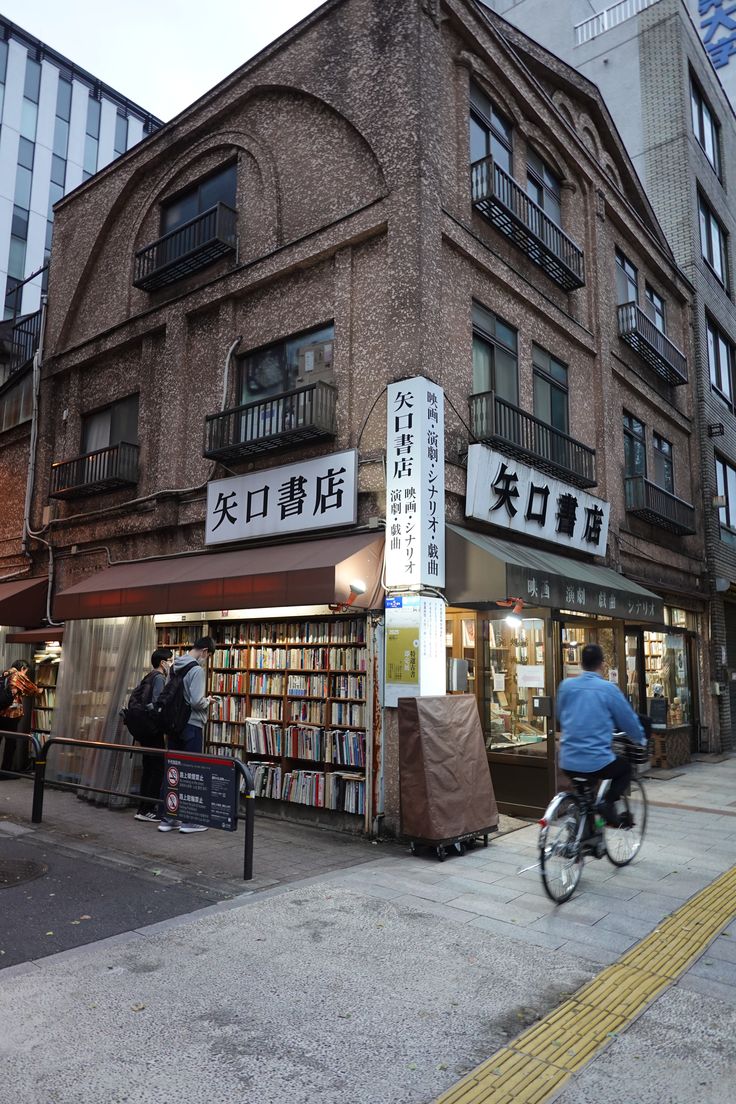
Living in Bunkyo Ward, Tokyo: The Complete Guide for Expats and Students (2026)
If you are searching for a Tokyo neighbourhood that combines central access with a genuinely livable atmosphere, Bunkyo Ward is one of the most underrated options in the city.
It does not appear on most expat shortlists. It is rarely described as trendy, and it does not compete with Shibuya, Shinjuku, or Ebisu on lifestyle image. But for people who actually live here — students, researchers, doctors, academics, and long-term Tokyo residents — Bunkyo has a quiet reputation as one of the best wards in Tokyo to call home.
The reason is simple: Bunkyo balances livability with access better than almost anywhere else in central Tokyo.
You are within 15–20 minutes of Tokyo Station, Otemachi, Akihabara, Ueno, and Shinjuku. You have major Tokyo Metro lines at multiple stations. You are surrounded by one of the densest clusters of universities and hospitals in Japan. And you live in an area where streets are safe, green space is genuinely abundant, and the residential atmosphere is calm without feeling remote.
At Momo Estate, we frequently recommend Bunkyo Ward to expat clients who want to be close to central Tokyo without paying central Tokyo prices — and without sacrificing the quality of their daily environment.
Quick Summary
| Category | Details |
|---|---|
| Ward | Bunkyo Ward (文京区) |
| Main Stations | Hongo-sanchome, Kasuga, Korakuen, Nezu, Yushima, Hakusan, Myogadani, Sengoku, Iidabashi |
| Main Lines | Tokyo Metro Marunouchi Line, Oedo Line, Namboku Line, Mita Line, Chiyoda Line |
| Best For | Students, academics, medical professionals, young couples, expats, solo professionals |
| Lifestyle Impression | Calm, safe, intellectual, green, residential, convenient |
| Main Housing Types | 1R, 1K, 1DK, 1LDK, some 2LDK; older mansions and newer apartments |
| Main Advantages | Affordable for the area, excellent green spaces, safe streets, multiple train lines, strong community atmosphere |
| Main Disadvantages | No major JR station, limited nightlife, fewer high-end retail options, some areas quiet on weekends |
Where Is Bunkyo Ward?
Bunkyo Ward sits in the northern-central part of Tokyo’s 23 wards. It borders Chiyoda Ward to the south, Bunkyo’s Toshima neighbour to the northwest, Taito Ward (Ueno) to the east, and Shinjuku Ward to the west.
Geographically, this puts Bunkyo in one of the most strategic positions in the city. It is close enough to the business core of Tokyo to commute comfortably, but far enough from the congestion of Shinjuku or Shibuya to maintain a quieter residential character.
The ward has deep historical roots. The Hongo area was central to Edo-period scholarship and culture. Today, the University of Tokyo’s main Hongo campus sits inside Bunkyo, and the ward continues to define itself around education, medicine, literature, and culture. It is one of the few parts of central Tokyo where you regularly walk past shrines, gardens, and century-old institutions between apartment buildings and convenience stores.
Bunkyo micro-areas
“Bunkyo Ward” covers several distinct micro-areas with different personalities. Knowing the difference is important when you search for an apartment.
- Hongo — Academic heart of Bunkyo, centred around the University of Tokyo. Bookshops, cafes, student restaurants, and solid transport connections. Great for students and researchers.
- Koishikawa — Quieter residential area with access to Korakuen garden and Tokyo Dome. Well-suited for couples and young professionals.
- Kasuga / Hakusan — Transitional residential zone; calmer streets with practical convenience. Good value for money.
- Nezu / Yanaka adjacent — Old-Tokyo neighbourhood feel. Nezu Shrine, shitamachi atmosphere, independent cafes and shops. Very popular with people who want character.
- Yushima — Closer to Akihabara and Ueno. Slightly more urban, good access to Chiyoda Line.
- Myogadani — Quieter, residential, popular with families. Strong local community feel.
- Sengoku — On the northern edge, less well-known but affordable and well-connected via the Mita Line.
What Is Bunkyo Ward Like to Live In?
The dominant atmosphere in Bunkyo is calm and intellectual.
On a weekday morning, you are more likely to see university students, hospital staff, and researchers than salaryman commuters rushing in suits. Streets around Hongo are active but not frantic. The Kasuga and Hakusan areas feel noticeably residential. Nezu and the Yanaka-adjacent parts have a slower, more shitamachi pace that many long-term expats describe as exactly what they were looking for in Tokyo.
The ward has very little of the commercial noise that defines areas like Shinjuku or Ikebukuro. There are no giant nightlife strips, no major shopping malls, and no tourist crowds beyond the occasional group heading to Nezu Shrine. What it does have is a dense network of small shops, independent cafes, well-maintained public spaces, and a sense that the people who live here chose to be here because they value quality of life.
One important note: Bunkyo can feel quiet on weekends, especially in the more residential micro-areas. If your ideal Saturday involves walking to lively cafes, pop-up markets, and boutique shopping, you may find yourself jumping on the Metro to Shimokitazawa, Nakameguro, or Koenji. But if your ideal Sunday involves a walk through Koishikawa Botanical Garden, a book, and a good local coffee shop, Bunkyo will suit you very well.
Transportation from Bunkyo Ward
How well-connected is Bunkyo for commuters?
Bunkyo Ward does not have a JR station, which surprises some people at first. But in practice, the ward’s Tokyo Metro and Toei Subway coverage is excellent, and most residents find it more than sufficient.
Main stations and lines
| Station | Lines Available |
|---|---|
| Hongo-sanchome | Tokyo Metro Marunouchi Line, Toei Oedo Line |
| Kasuga | Toei Oedo Line, Toei Mita Line, Tokyo Metro Namboku Line |
| Korakuen | Tokyo Metro Marunouchi Line, Tokyo Metro Namboku Line |
| Nezu | Tokyo Metro Chiyoda Line |
| Yushima | Tokyo Metro Chiyoda Line |
| Hakusan | Toei Mita Line |
| Sengoku | Toei Mita Line |
| Myogadani | Tokyo Metro Marunouchi Line |
| Iidabashi (nearby) | JR Sobu Line, Oedo Line, Yurakucho Line, Namboku Line, Tozai Line |
The key point is that depending on where your apartment is in Bunkyo, you may have access to two or even three lines within a short walk. This is especially valuable for expats who work in different parts of Tokyo on different days.
Travel times from Hongo-sanchome (2026)
| Destination | Approximate Travel Time |
|---|---|
| Otemachi | Approx. 8–10 minutes (Marunouchi Line) |
| Tokyo Station | Approx. 10–15 minutes |
| Ueno | Approx. 10–12 minutes |
| Akihabara | Approx. 12–15 minutes |
| Shinjuku | Approx. 15–20 minutes (Marunouchi Line) |
| Ikebukuro | Approx. 12–15 minutes (from Korakuen, Namboku Line) |
| Ginza | Approx. 15 minutes |
| Shibuya | Approx. 25–30 minutes |
| Roppongi | Approx. 20–25 minutes (via Oedo from Kasuga) |
| Haneda Airport | Approx. 40–55 minutes depending on route |
| Narita Airport | Approx. 60–80 minutes depending on route |
Always verify from your specific apartment address. In Bunkyo, which side of the ward you live in significantly affects your fastest station and route.
For expats and students commuting to Otemachi, Marunouchi, Akihabara, Ueno, or Ikebukuro, Bunkyo is extremely well-positioned. For people commuting to Roppongi or Minato area, travel time is longer and requires connection.
Housing Options in Bunkyo Ward
What kind of apartments are available in Bunkyo?
Bunkyo has a healthy and varied rental market, with a mix of older mansion-type apartments and newer reinforced concrete buildings.
Because the ward is home to so many students, there is a strong supply of compact 1R and 1K units, especially around Hongo and Yushima. However, unlike purely student-heavy areas in other cities, Bunkyo also has a solid supply of 1DK and 1LDK apartments for young professionals and couples, and some 2LDK options in quieter micro-areas.
Typical housing types you will find in Bunkyo:
- Compact 1R apartments (very common, especially near university campuses)
- 1K apartments for single residents
- 1DK and 1LDK units for singles or couples
- 2LDK apartments in Myogadani, Koishikawa, and quieter areas
- Older mansion buildings (pre-2000) which often offer more space for the price
- Newer reinforced concrete apartments with modern finishes
- Some share houses and furnished apartments targeting students and short-term residents
For expats, one practical advantage is that Bunkyo’s student population means building managers and landlords in the area have more experience dealing with international tenants than in some outer wards. Working with a bilingual agent still matters significantly, but the ward tends to have slightly lower barriers for foreign residents than more exclusively residential areas.
Rent Prices in Bunkyo Ward (2026)
How much does it cost to rent in Bunkyo Ward?
Bunkyo is noticeably more affordable than comparable central wards like Minato, Shinjuku, Shibuya, or Chiyoda, while maintaining excellent access and a high quality of residential environment. This is one of its most significant practical advantages.
| Layout | Approximate Monthly Rent |
|---|---|
| Studio / 1R | ¥75,000 – ¥110,000 |
| 1K | ¥85,000 – ¥135,000 |
| 1DK / 1LDK | ¥130,000 – ¥220,000 |
| 2LDK | ¥200,000 – ¥360,000 |
| 3LDK and above | Limited; prices vary significantly |
These are reference ranges only. Actual rents vary based on building age, proximity to stations, floor level, sunlight, and management quality. Always check live listings.
For expats making a direct comparison: a 1K apartment in Bunkyo Ward typically costs significantly less than the same size in Minato, Shibuya, or Shinjuku — while offering a commute time that is often comparable or shorter to key business districts like Otemachi, Marunouchi, and Tokyo Station.
Daily Convenience in Bunkyo
Is Bunkyo Ward convenient for everyday living?
Yes. Bunkyo is strong on everyday convenience, though the experience varies by micro-area.
You will find convenience stores and small supermarkets distributed throughout the ward. Areas around Hongo and Kasuga have solid retail coverage. The Nezu and Yanaka adjacent areas have a more independent, neighbourhood-shop character — useful once you know where things are, but less dense than big commercial stations.
For grocery shopping, Bunkyo has some full-size supermarkets, though they are not on the same scale as what you would find near a large JR hub like Ikebukuro or Shinjuku. If cooking regularly and doing large grocery shops is part of your routine, check the distance and stock of the nearest supermarket before committing to a specific apartment.
For hospital and medical access, Bunkyo is exceptional. The ward has one of the highest concentrations of hospitals and clinics in Tokyo — including Tokyo Medical and Dental University Hospital, Juntendo University Hospital, the University of Tokyo Hospital, and Nippon Medical School Hospital. For expats managing long-term healthcare in Japan, this is a significant practical benefit.
For larger shopping needs, the best nearby options are:
- Ikebukuro — Large department stores, retail, and restaurants via short Metro ride
- Ueno — Shopping, Ameya-Yokocho market, museums, and Ueno Park
- Akihabara — Electronics and specialty retail
- Tokyo Station area — Shopping, dining, and Shinkansen access
Restaurants and Food in Bunkyo
What is the food scene like in Bunkyo Ward?
Bunkyo’s food scene is practical, local, and varied — driven largely by students, hospital staff, and long-term residents rather than tourists or weekend visitors.
Around Hongo-sanchome and Yushima, you will find a dense cluster of student-friendly restaurants: ramen, teishoku lunch sets, soba shops, curry, yakiniku, and casual izakayas that have been serving the same area for decades. Prices are generally very reasonable compared with other central Tokyo areas.
The Nezu and Yanaka-adjacent parts of Bunkyo offer a more independent dining character: old coffee shops, small craft beer bars, neighbourhood soba restaurants, tofu specialists, and a growing number of cafes that have found an audience among people who like eating somewhere that feels genuinely local.
The ward also has access to notable dining near the Korakuen and Tokyo Dome area, with more varied options including chain restaurants and casual family-style dining.
You will not find the kind of polished weekend brunch or Instagram-friendly cafe-hop culture that defines Nakameguro or Shimokitazawa. But if you eat well, eat affordably, and want a dining scene that reflects where you actually live, Bunkyo offers more depth than its low profile suggests.
Green Space and Things to Do in Bunkyo
What is there to do near Bunkyo Ward?
Green space is one of Bunkyo Ward’s strongest assets — and one that often surprises people who expect every central Tokyo ward to be primarily concrete.
Koishikawa Korakuen Garden
One of Tokyo’s oldest and most beautiful Japanese gardens. Dating to the early Edo period, the garden covers around 70,000 square metres and is well-maintained year round. It is exceptional for cherry blossoms in spring and autumn foliage.
Rikugien Garden
Another of Tokyo’s great classical gardens, Rikugien is an 18th-century strolling garden with a central pond, traditional landscaping, and one of the best autumn illumination events in the city. Located near Komagome Station, just north of Bunkyo Ward.
Koishikawa Botanical Garden
Run by the University of Tokyo, this botanical garden is one of the oldest research gardens in Japan. Less crowded than the major tourist gardens, it offers a genuinely peaceful outdoor space for residents.
Nezu Shrine
One of Tokyo’s oldest Shinto shrines, Nezu Shrine is best known for its tunnel of torii gates — less crowded than Fushimi Inari in Kyoto and significantly closer for Bunkyo residents. The azalea festival in spring is a major seasonal event.
Yushima Tenjin
A shrine dedicated to Sugawara no Michizane, patron of scholarship and learning — deeply relevant to the academic character of the ward. Popular with students during examination season.
Tokyo Dome and LaQua
Tokyo Dome is located in Bunkyo Ward, in the Korakuen area. For residents, this means occasional major concerts, sports events (Giants home games), and the LaQua entertainment and shopping complex are walking distance.
Yanaka area
While technically in Taito Ward, the Yanaka shitamachi area is easily walkable from Nezu and Sendagi stations and feels like a natural extension of Bunkyo’s older, slower-paced micro-areas. You will find old shotengai streets, independent cafes, craft workshops, and a pace of life that feels genuinely different from modern Tokyo. For Bunkyo residents who like neighbourhood character, Yanaka is a weekend staple.
Ueno
Ueno is one of Bunkyo’s most important neighbouring districts — reachable in around 10–15 minutes by Metro from most parts of the ward. For day-to-day life, Ueno functions as Bunkyo’s commercial and cultural backyard.
Ueno Park is one of the largest and most visited parks in Tokyo, and for Bunkyo residents it is the most accessible major green space. The park contains several of Japan’s most important national museums — including the Tokyo National Museum, the National Museum of Western Art, the National Museum of Nature and Science, and the Tokyo Metropolitan Art Museum — making it one of the most culturally rich green spaces in the country. Cherry blossom season in Ueno Park is one of the great Tokyo seasonal experiences, and being able to reach it in under 15 minutes by Metro is a significant lifestyle benefit.
Ameya-Yokocho (Ameyoko) market, just below Ueno Station, is where many Bunkyo residents do supplementary grocery shopping. The open-air market is well-known for fresh food, affordable produce, imported goods, and the kind of energetic street market atmosphere that large supermarkets cannot replicate. It is particularly popular for fresh fish, seasonal vegetables, nuts, dried goods, and discount clothing.
Beyond shopping and parks, Ueno Station is a major JR hub and gives Bunkyo residents indirect access to JR Yamanote Line, Keihin-Tohoku Line, Joban Line, and Shinkansen services at Tokyo Station. While Bunkyo itself has no JR station, many residents treat Ueno as their de facto JR gateway for longer trips.
For food, Ueno and the surrounding Okachimachi area have an enormous range of dining options — from long-running ramen shops and sushi counters to Korean food in Shin-Okubo-adjacent streets, depachika food halls, and affordable lunch sets catering to the area’s large office and student population.
Akihabara
Akihabara sits to the southeast of Bunkyo Ward and is accessible from Yushima or Hongo-sanchome in approximately 12–15 minutes. For Bunkyo residents, it functions primarily as a practical resource hub rather than a leisure destination — though that depends entirely on your interests.
Electronics and appliances: Akihabara remains Tokyo’s most concentrated district for electronics, computers, cameras, components, cables, smart home devices, and specialist tech retail. For expats setting up an apartment, buying appliances, or sourcing specific electronics components, Akihabara is the most useful destination in Tokyo for these needs. Large retailers like Yodobashi Camera (whose Akihabara flagship is one of the largest electronics stores in the world) are accessible without needing to travel to Shinjuku or Ikebukuro.
Anime, manga, and gaming culture: Akihabara is internationally known as the centre of Tokyo’s anime, manga, figurine, and gaming retail culture. Residents who are interested in this culture will find the proximity to Bunkyo particularly convenient. Multi-floor hobby stores, used game shops, figure retailers, and maid cafes are all concentrated in the area around the station.
Practical retail and parts: Beyond the cultural dimension, Akihabara is genuinely useful for practical residents. Small component shops, cable retailers, phone repair services, and specialty hardware stores serve a practical function for people who need items that are difficult to find elsewhere in Tokyo.
Dining in Akihabara: The dining scene around Akihabara is large and affordable, with a heavy lean toward ramen, curry, gyudon chains, and casual teishoku lunch spots serving the area’s large daytime population. It is not a food destination in the way that Ueno or Jimbocho are, but it is convenient and efficient.
One note for families: Akihabara can be stimulating in a way that requires some parental awareness — the density of visual content on storefront displays and in some retail environments reflects the area’s otaku commercial character. It is safe and manageable, but worth knowing before a first visit with young children.
Imperial Palace and Central Tokyo
The Imperial Palace outer garden is accessible from Bunkyo by Metro and is one of the best running and walking courses in central Tokyo. The 5km outer loop around the palace grounds is a popular destination for Bunkyo residents who want a flat, traffic-free route through the centre of the city.
Safety in Bunkyo Ward
Is Bunkyo Ward safe to live in?
Yes. Bunkyo Ward consistently ranks among the safest wards in Tokyo by crime statistics.
The absence of a large nightlife district means that the noise and petty crime risks associated with areas near izakaya strips are much lower. Streets around university campuses can have some evening activity, but nothing comparable to Shinjuku, Shibuya, or Roppongi entertainment zones.
Standard precautions for urban living in Japan apply:
- Check the street at both day and night before signing a lease
- Look at building entrance security and lighting
- Verify noise from nearby train lines or roads
- For older buildings, confirm the earthquake resistance standard (耐震基準) — buildings constructed before 1981 should be checked against newer seismic guidelines
For families with children or solo expats new to Japan, Bunkyo’s safety profile is one of its most valuable features.
Schools and Family Life in Bunkyo
Is Bunkyo Ward good for families?
Bunkyo Ward is genuinely strong for families, and this is increasingly well-known among Tokyo expat communities.
The ward is known for having some of Tokyo’s best public schools. Bunkyo has historically invested in education infrastructure, and the presence of major universities in the area creates a culture that values learning. School enrollment depends on your specific address within the ward, so always confirm the school zone before finalising an apartment.
For families with younger children, Bunkyo also has a solid network of nurseries (hoikuen) and kindergartens, though — as in all central Tokyo wards — wait lists can exist for popular facilities.
Family advantages of Bunkyo:
- Excellent public school reputation
- Safe streets and parks
- Good hospital and clinic coverage
- Multiple green spaces and gardens within the ward
- Calmer residential atmosphere than Shinjuku-adjacent wards
- More affordable rent for larger apartments than comparable central wards
Family disadvantages:
- No large family-focused shopping complex within the ward
- Limited large apartment supply in some micro-areas
- Can feel quiet on weekends in certain neighbourhoods
For families where one or both parents work in Otemachi, Marunouchi, Ueno, or Ikebukuro, Bunkyo can be a very strong fit.
Who Should Live in Bunkyo Ward?
Is Bunkyo Ward right for me?
Students and academics
Bunkyo Ward is one of the most natural choices for students and researchers in Tokyo. The University of Tokyo, Tokyo Medical and Dental University, Ochanomizu Women’s University, Juntendo University, Nippon Medical School, and the University of Tokyo are all located here. Rent near campuses is reasonable, and the surrounding environment supports study and academic life. If you are enrolled in or working at one of these institutions, Bunkyo is the logical base.
Medical and healthcare professionals
With several major hospitals and research institutions within the ward, Bunkyo is a practical choice for doctors, nurses, researchers, and healthcare staff who want to minimise commute time to their institutions.
Expats seeking a livable central base
For expats who want to be close to central Tokyo without living inside the noise of Shinjuku or Minato, Bunkyo offers an excellent compromise. It is central, safe, green, and affordable relative to its convenience — a combination that is genuinely rare.
Young couples without children
A 1LDK or 2DK in Bunkyo offers better value for couples than many comparable central wards. The mix of cafes, gardens, and residential calm is well-suited to people who want a home environment, not just a transit hub.
Families
Especially for families with school-age children, Bunkyo’s educational reputation and safety profile make it a strong long-term choice.
Who should NOT choose Bunkyo?
Bunkyo may not be the right fit if you:
- Rely on JR lines for your daily commute (no JR station within the ward)
- Want an active nightlife scene within walking distance
- Need large-format shopping without getting on the Metro
- Want a fashionable lifestyle address (Nakameguro, Azabu, Ebisu)
- Commute primarily to Roppongi, Shibuya, or Meguro-side Tokyo
Bunkyo Ward vs Nearby Neighbourhoods
How does Bunkyo compare?
Bunkyo vs Shinjuku Ward
Shinjuku is louder, more congested, and significantly more expensive. It has better JR access and more immediate lifestyle options. Bunkyo has a calmer residential environment, better green space, and more affordable rents. Choose Shinjuku for lifestyle and access; choose Bunkyo for quality of life and value.
Bunkyo vs Toshima Ward (Ikebukuro)
Ikebukuro is a major commercial hub with strong JR access. Bunkyo is quieter, greener, and more residential. If your priority is convenience and nightlife access, Ikebukuro is stronger. If your priority is living environment and commute to central-east Tokyo, Bunkyo wins.
Bunkyo vs Taito Ward (Ueno / Asakusa)
Taito Ward sits directly to the east of Bunkyo and shares a similar accessibility profile to many of the same destinations. The key difference is character and residential stability. Taito has a stronger shitamachi identity — Ueno, Yanaka, and Asakusa give it a deeply historical and culturally layered atmosphere — but it also attracts considerably more tourist traffic, particularly around Ueno Station and Asakusa. This can raise noise levels and affect the everyday residential feel of certain streets.
Bunkyo is more settled as a long-term residential ward. It is quieter, safer on average, and its green space — Koishikawa Korakuen, Rikugien, Koishikawa Botanical Garden — is more secluded than Ueno Park, which draws large crowds especially on weekends and during cherry blossom season.
For residents who want to be close to Ueno without living inside its tourist atmosphere, Bunkyo is often the better choice. You can be at Ueno Park in 10 minutes by Metro while returning to a much calmer home environment. Choose Taito if the shitamachi culture and JR Ueno access are your top priorities; choose Bunkyo if you value residential quality and want Ueno as a place you visit rather than a place you live inside.
Bunkyo vs Chiyoda Ward (Akihabara / Kanda / Jimbocho)
Chiyoda Ward lies to the south and includes Akihabara, Kanda, Jimbocho, and Otemachi. It is more business-oriented, closer to Tokyo Station, and better positioned for corporate commuters who prioritise raw access to the financial and government core of the city.
Akihabara specifically offers a very different residential experience from Bunkyo. The area around Akihabara Station is dense, commercially intense, and strongly associated with electronics and anime retail culture. It can be stimulating and convenient in some ways — JR access is a significant advantage — but the residential atmosphere is more commercial and less settled than Bunkyo’s quieter streets.
For residents who work in the Akihabara, Kanda, or Otemachi area, Bunkyo offers a viable alternative with a notably better home environment and only a marginally longer commute. You gain calm streets, green space, and a residential ward in exchange for an extra 10–15 minutes on the Metro.
Choose Chiyoda if Tokyo Station or JR access is your primary concern. Choose Bunkyo if the commute is manageable and you want to actually enjoy living in your neighbourhood.
Bunkyo vs Minato Ward
Minato is more prestigious, more expensive, and more internationally commercial. Bunkyo is significantly more affordable, more residential, and greener. For expats whose workplaces are in Minato, the commute from Bunkyo is manageable. For others, Bunkyo offers considerably better value.
Bunkyo vs Chiyoda Ward (Kanda, Jimbocho)
Chiyoda is more business-oriented, closer to Tokyo Station, and more useful for corporate commuters. Bunkyo is more residential and better for people who want a home environment, not just a convenient address. If you need Tokyo Station access above everything, Chiyoda may serve you better.
Pros and Cons of Living in Bunkyo Ward
Pros
- One of the safest wards in Tokyo
- Excellent green space and gardens
- Affordable rents relative to access and quality
- Strong public school reputation
- Outstanding hospital and healthcare access
- Academic and cultural atmosphere
- Multiple subway lines from several stations
- Good access to Otemachi, Ueno, Ikebukuro, and Akihabara
- Genuine residential community character
- Less tourist traffic than nearby Ueno or Akihabara
Cons
- No JR station within the ward
- Limited large-format retail and shopping
- Quieter on weekends in residential micro-areas
- Fewer trendy cafe or brunch options compared with western Tokyo
- Larger apartments are available but not as plentiful as outer residential wards
- No nightlife district for residents who want that nearby
Apartment Search Tips for Bunkyo Ward
How do I find the right apartment in Bunkyo?
Do not search for “Bunkyo Ward” as a single category. The ward is diverse, and the right apartment depends entirely on your commute, lifestyle, and budget.
By lifestyle:
- Want academic energy and student-area convenience → Hongo or Yushima
- Want old-Tokyo character and independent shops → Nezu or Hakusan
- Want quiet residential and green space → Myogadani or Koishikawa
- Want access to Ikebukuro and Oedo Line → Kasuga or Sengoku
- Want to be close to Tokyo Dome and Marunouchi Line → Korakuen
Before signing any lease in Bunkyo, check:
- Walking time to nearest station (many apartments are listed as “XX minutes” but real-time routes vary)
- Nearest supermarket location and hours
- Building age and seismic standard
- Noise from nearby roads, train lines, or university activity
- Sunlight and floor level — some older Bunkyo buildings are narrow and face north
- Hazard map data for the exact address at Tokyo Metropolitan Government’s hazard map portal
- Weekend atmosphere of the immediate street
FAQ: Living in Bunkyo Ward Tokyo
Is Bunkyo Ward a good place to live? Yes. Bunkyo is consistently rated one of Tokyo’s most livable wards. It combines safety, green space, good schools, and reasonable rents with solid access to central Tokyo’s business and cultural districts.
Is Bunkyo good for foreigners? Yes. The presence of universities, international researchers, and hospitals means landlords in Bunkyo have more experience with foreign residents than in many outer residential wards. Working with a bilingual agent is still strongly recommended.
Is Bunkyo Ward expensive? Relative to comparable access and quality, no. Bunkyo is more affordable than Minato, Shinjuku, Shibuya, or Chiyoda wards. For the combination of location, safety, and living environment it offers, it represents strong value.
Does Bunkyo Ward have a JR station? No. Bunkyo Ward is served by Tokyo Metro and Toei Subway lines. The nearest JR access points are Iidabashi (on the ward boundary), Ochanomizu (Chiyoda Ward), and Komagome (just north, Toshima Ward). In practice, most Bunkyo residents find subway coverage sufficient.
Is Bunkyo Ward good for students? Bunkyo is one of the best wards in Tokyo for students, particularly those attending the University of Tokyo, Tokyo Medical and Dental University, Juntendo, or other nearby institutions. Affordable rent, safe streets, and a study-oriented environment make it a natural fit.
What are the best areas in Bunkyo Ward? For students: Hongo and Yushima. For families: Myogadani and Koishikawa. For young professionals: Kasuga and Hakusan. For character and atmosphere: Nezu. For access to multiple lines: Kasuga or Korakuen area.
Is Bunkyo Ward family-friendly? Very much so. The ward is known for strong public schools, safe residential streets, parks and gardens, and excellent hospital access. It is a popular choice for Japanese and expat families who want to stay in central Tokyo.
How far is Ueno from Bunkyo Ward? Ueno is approximately 10–15 minutes from most parts of Bunkyo Ward by Tokyo Metro. From Yushima Station (Chiyoda Line), Ueno is just two stops away. For Bunkyo residents, Ueno Park, Ueno Station (JR), and the Ameya-Yokocho market are all practical and frequently used destinations.
How far is Akihabara from Bunkyo Ward? Akihabara is approximately 12–15 minutes from Hongo-sanchome or Yushima by Metro. It is close enough to be a convenient resource for electronics, appliances, and specialty retail, without the noise and commercial density of the area affecting daily life in Bunkyo.
How long does it take to get to Shinjuku from Bunkyo? Approximately 15–20 minutes from Hongo-sanchome via the Marunouchi Line.
Can foreigners rent apartments in Bunkyo Ward? Yes. As with all of Tokyo, working with a bilingual real estate agency makes the process significantly easier. Documents required typically include passport, residence card (在留カード), proof of income, and a Japanese guarantor or guarantor company.
Final Recommendation
Should you live in Bunkyo Ward?
If you want a Tokyo base that is safe, green, genuinely livable, and more affordable than its access justifies — Bunkyo Ward deserves to be at the top of your list.
It is not the right choice if you need a JR station, want to walk home from Shibuya at 2am, or care about having a fashionable postcode. But for students, academics, families, medical professionals, and expats who want a home they can actually relax in — Bunkyo is one of the most undervalued locations in Tokyo.
At Momo Estate, we regularly see clients who initially overlook Bunkyo because it is not as well-known internationally as Shinjuku or Minato. Many of them come back and say it was the best decision they made.
If you are considering a move to Bunkyo Ward and want guidance on specific neighbourhoods, apartment types, or the paperwork involved as a foreign resident, the Momo Estate team is here to help.