
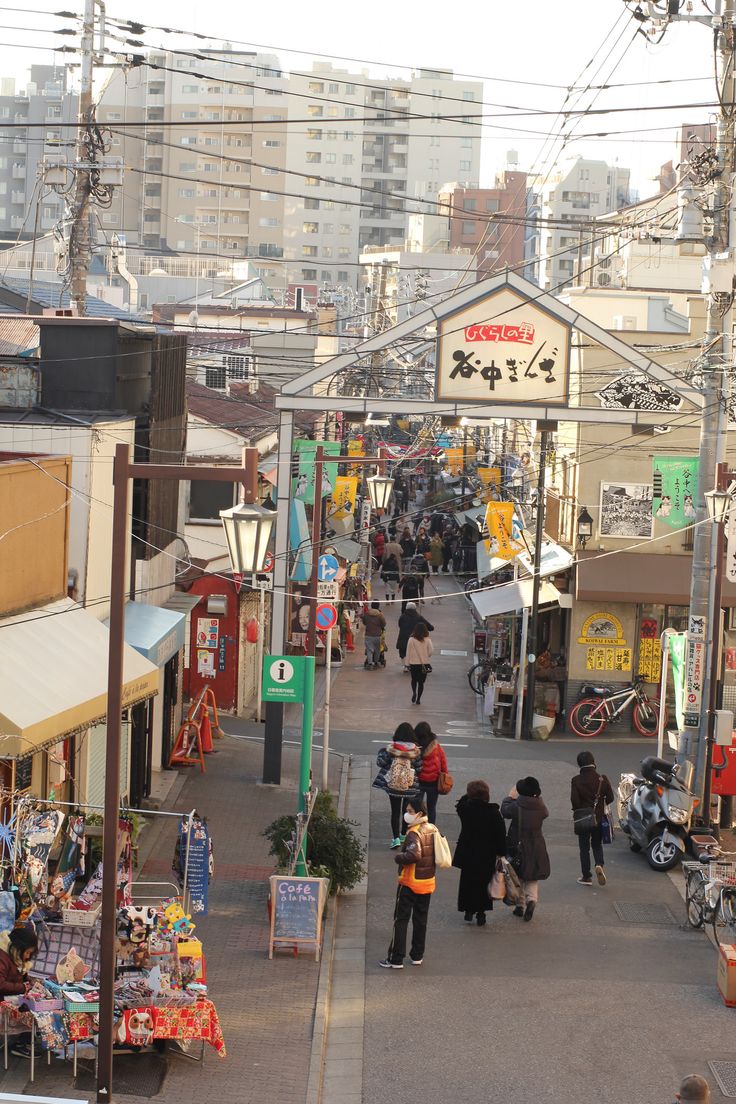
Living in Nippori & Yanaka Ginza, Tokyo: The Complete Guide for Expats and Students (2026)
If you ask longtime Tokyo expats which neighbourhood feels most like “real Japan” without being remote or inconvenient, a surprising number will say Nippori and the Yanaka Ginza area.
It does not show up on most relocation shortlists. It has no flashy towers, no big-name shopping mall, and no nightlife strip. What it has instead is something increasingly rare in central Tokyo: a neighbourhood that has kept its pre-war character almost fully intact, while still sitting on the JR Yamanote Line — one stop from Ueno, fifteen minutes from Tokyo Station, and within walking distance of three different wards.
At Momo Estate, we recommend Nippori most often to clients who have already lived in Tokyo for a while and have grown tired of glass towers and chain konbini streets — people who want a home with texture.
Quick Summary
| Category | Details |
|---|---|
| Area | Nippori (Arakawa Ward, bordering Taito Ward) / Yanaka Ginza (Taito Ward) |
| Main Station | Nippori (JR Yamanote Line, JR Joban Line, Keisei Line) |
| Nearby Stations | Sendagi (Chiyoda Line), Nezu (Chiyoda Line) |
| Best For | Creatives, longtime residents, students, couples, anyone wanting old-Tokyo character |
| Lifestyle Impression | Historic, slow-paced, artistic, community-driven, quiet |
| Main Housing Types | 1K, 1DK, older mansion apartments, some renovated machiya-style units |
| Main Advantages | Genuine old-Tokyo atmosphere, JR Yamanote access, very affordable, strong community feel |
| Main Disadvantages | Limited modern apartment stock, few large supermarkets, very quiet at night, tourist foot traffic in Yanaka Ginza during the day |
Where Is Nippori?
Nippori sits at the northern edge of Tokyo’s old shitamachi belt, right where Arakawa Ward meets Taito Ward. Nippori Station itself is on the JR Yamanote Line — the loop line that defines central Tokyo geography — making it one of the only genuinely old-Tokyo neighbourhoods with direct Yamanote access.
To the south of the station lies Yanaka, one of the few parts of Tokyo that escaped both the 1923 earthquake and the WWII firebombing largely intact. The result is a neighbourhood of narrow lanes, century-old temples, wooden houses, and a street life that has evolved slowly over decades rather than being rebuilt from scratch.
Running through the middle of it is Yanaka Ginza — a roughly 200-metre shotengai (traditional shopping street) lined with small family-run shops: senbei crackers, fresh menchi-katsu, pottery, tofu, and a famous concentration of cats (Yanaka is informally known as one of Tokyo’s “cat towns”). It is touristy in the daytime, but residents who live just one or two streets away from the main strip experience almost none of that.
What Is Nippori Like to Live In?
The atmosphere here is unlike almost anywhere else in central Tokyo. Mornings are quiet. Streets are narrow and largely free of car traffic. Many residents are long-term — families who have lived in the area for generations, alongside a growing number of artists, writers, and small craft businesses drawn to the historic buildings and lower rents.
Nippori Station itself has a specific identity beyond the residential streets: it is home to Nippori Fabric Town, a stretch of dozens of fabric and textile shops just north of the station, popular with designers, hobbyists, and anyone doing sewing, crochet, or textile work. It is one of the largest concentrations of fabric retailers in Japan.
South of the station, Yanaka’s temple district — including Tennoji Temple and the sprawling Yanaka Cemetery — gives the area an unusually contemplative, green quality for somewhere this central. The cemetery itself functions almost like a park, with wide tree-lined paths popular for quiet walks, especially during cherry blossom season.
The trade-off is that Nippori is not built for modern convenience. Many buildings are older. Apartment stock skews toward smaller, older units rather than new construction. Supermarkets are smaller and fewer. If your priority is a brand-new high-rise with a gym in the basement, this is not your neighbourhood. If your priority is texture, history, and a genuine sense of place, it is hard to beat.
Transportation from Nippori
How well-connected is Nippori?
Better than its quiet, old-Tokyo reputation might suggest. Nippori Station sits directly on the JR Yamanote Line, which means it connects, without transfer, to nearly every major hub in central Tokyo.
| Destination | Approximate Travel Time |
|---|---|
| Ueno | Approx. 5 minutes (JR Yamanote) |
| Tokyo Station | Approx. 15 minutes (JR Yamanote) |
| Akihabara | Approx. 10 minutes |
| Shinjuku | Approx. 20–25 minutes (JR Yamanote) |
| Ikebukuro | Approx. 12–15 minutes |
| Shibuya | Approx. 25–30 minutes |
| Narita Airport | Approx. 60–70 minutes (Keisei Skyliner available from Nippori) |
| Haneda Airport | Approx. 50–60 minutes |
One underrated detail: Nippori Station has a direct Keisei Line platform, which means residents have convenient airport access via the Keisei Skyliner to Narita — a genuine advantage for people who travel frequently.
For residents who prefer the Metro, Sendagi and Nezu stations (Chiyoda Line) are a 10–15 minute walk from the Yanaka Ginza area, giving you a second route toward Otemachi and Omotesando.
Rent Prices in Nippori & Yanaka (2026)
How much does it cost to rent here?
This is one of Nippori’s biggest selling points. Rent here is noticeably lower than in neighbouring Bunkyo or central Taito Ward, despite the Yamanote Line access.
| Layout | Approximate Monthly Rent |
|---|---|
| Studio / 1R | ¥65,000 – ¥95,000 |
| 1K | ¥75,000 – ¥115,000 |
| 1DK / 1LDK | ¥110,000 – ¥180,000 |
| 2LDK | ¥170,000 – ¥280,000 |
Reference ranges only — actual prices depend heavily on building age, distance from the station, and proximity to Yanaka Ginza itself, which commands a small premium.
For the same budget that gets a cramped 1K in Shibuya or Shinjuku, you can often find a more spacious older apartment in Nippori — sometimes with a small garden, traditional tatami room, or other character features that simply do not exist in newer buildings.
Daily Life, Shopping, and Food
Is it convenient to live in Nippori day-to-day?
Convenience here is good but not abundant. You will find a handful of supermarkets and plenty of convenience stores, but nothing on the scale of a major station like Ikebukuro. For bigger shopping trips, Ueno is five minutes away and covers most needs.
Yanaka Ginza itself functions as a genuinely useful local food street, not just a tourist attraction. Residents shop here for fresh croquettes, grilled fish, tofu, pickles, senbei, and seasonal produce from small specialist vendors — many of which have operated for multiple generations.
The wider area has a strong cluster of independent cafes, old kissaten coffee shops, and a handful of well-regarded bakeries. Dining out tends to mean small, family-run restaurants rather than chains — excellent for people who enjoy discovering quiet, unmarked places, less convenient for those who want guaranteed late-night options.
Nippori Fabric Town deserves its own mention here: for anyone with an interest in textiles, sewing, or craft work, this is one of the best resources in Tokyo, with dozens of shops selling fabric, trim, buttons, and notions at prices well below department store rates.
Things to Do Near Nippori
Yanaka Cemetery
A surprisingly large and peaceful green space in the middle of the city, lined with cherry trees and centuries-old family graves. Functions informally as the neighbourhood’s main park and is a favourite for quiet walks year-round.
Tennoji Temple
A historic Buddhist temple along the cemetery’s edge, home to a large bronze Buddha statue and a peaceful, uncrowded atmosphere even on weekends.
Yanaka Ginza shotengai
The heart of the area — a lively, photogenic shopping street that draws day-trippers but remains genuinely functional for residents. Best visited by locals either early morning or after the day-trip crowds thin out in the late afternoon.
Ueno (nearby)
Just one JR stop away, Ueno Park, its cluster of national museums, and the Ameya-Yokocho market are all an easy five-minute ride from Nippori — effectively functioning as the neighbourhood’s extended backyard for shopping, museums, and green space.
Nippori Fabric Town
As above — a major draw for craft and sewing enthusiasts, and one of the area’s most distinctive features.
Safety in Nippori & Yanaka
The area is very safe, with low crime and a strong sense of community — many shopkeepers and residents have known each other for decades. The narrow lanes can feel a little dark at night in places, so basic precautions (checking street lighting near your specific building) are worth taking, as with anywhere in Tokyo. Daytime crowds in Yanaka Ginza are tourist-driven rather than a safety concern.
Who Should Live in Nippori & Yanaka?
Good fit for:
- Creatives and craftspeople, especially anyone working with textiles or visual art
- Longtime Japan residents who want character over convenience
- Students and academics, given proximity to Ueno-area universities and reasonable rent
- Couples and solo residents who value quiet, walkable streets and don’t need nightlife nearby
- Anyone who wants a “real Tokyo” neighbourhood rather than a generic central address
Not the right fit if you:
- Need brand-new apartment construction or modern building amenities
- Want an active nightlife scene within walking distance
- Rely on large-format supermarkets for weekly shopping
- Dislike daytime tourist foot traffic near your home
Nippori vs Nearby Neighbourhoods
Nippori vs Bunkyo Ward
Bunkyo is more polished, more academic, and has better hospital access. Nippori is more affordable, more historically distinctive, and has direct Yamanote Line access that Bunkyo lacks entirely. Choose Bunkyo for institutional infrastructure; choose Nippori for atmosphere and value.
Nippori vs Taito Ward (Ueno/Asakusa)
Ueno and Asakusa are busier, more commercial, and see significantly more tourist traffic throughout the day. Nippori offers a quieter version of the same shitamachi spirit, with lower rent and fewer crowds, while still being five minutes from Ueno when you want it.
Pros and Cons
Pros: Genuine old-Tokyo character, JR Yamanote Line access, very affordable rent, strong community feel, excellent textile/craft resources, peaceful green space via the cemetery, Skyliner access to Narita
Cons: Older apartment stock, limited large-scale shopping, quiet nightlife, daytime tourist crowds on Yanaka Ginza itself, fewer modern building amenities
Final Recommendation
Nippori and Yanaka Ginza will not suit everyone — and that is precisely the point. This is a neighbourhood for people who have already decided that character matters more than convenience, and who would rather live somewhere with a real history than somewhere built for maximum efficiency.
For the right person — a craftsperson, a long-term resident, a student who wants calm streets and Yamanote access on a tight budget — Nippori offers a combination that is genuinely hard to find anywhere else in central Tokyo.
If you’re considering a move to Nippori or the wider Yanaka area, the Momo Estate team can help you navigate apartment options, older building considerations, and the paperwork involved as a foreign resident.