
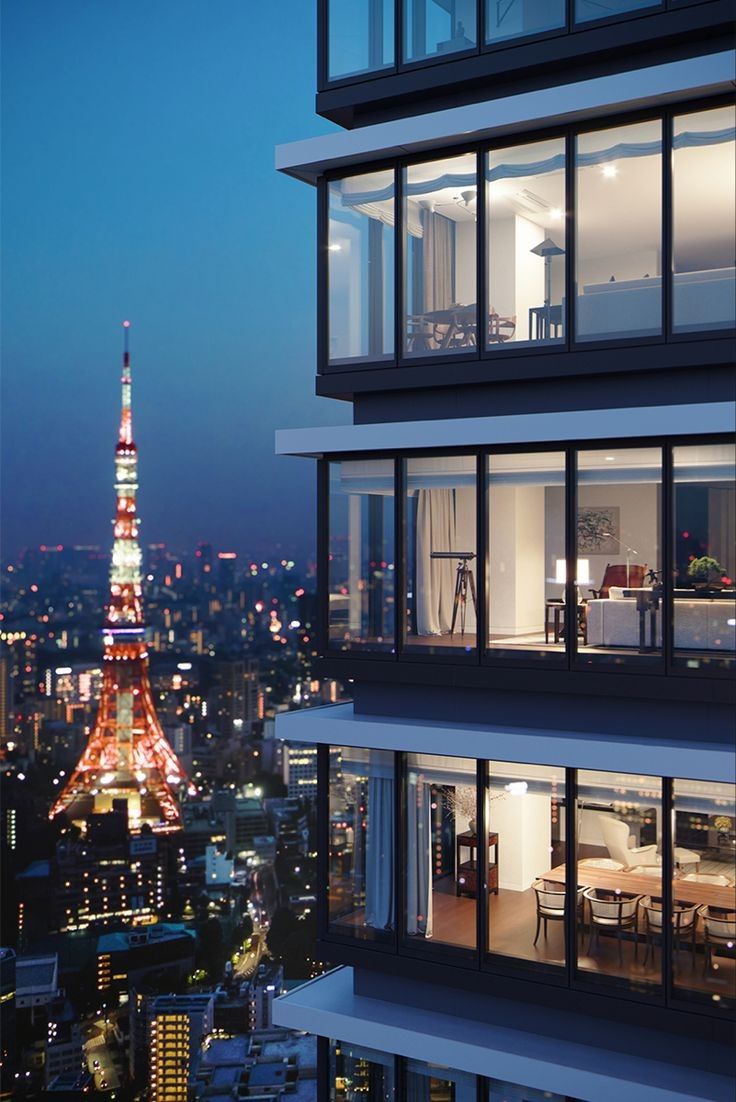
Navigating Tokyo real estate rules in 2026: Guide to apartment hunting and upfront costs
Navigating the Tokyo real estate market has always been notoriously complex. But in 2026, the landscape has shifted dramatically. Driven by a 25-month streak of consecutive month-on-month price increases and historical rental growth in central areas, finding an apartment in Tokyo requires more strategy—and financial realism—than ever before.
For foreign residents, expats, and students moving to Japan’s capital, understanding the hidden unwritten rules, legal space constraints, and true move-in costs is the difference between a successful lease and an endless loop of rejected applications.
This comprehensive guide breaks down the essential rules of Tokyo real estate in 2026, exposing the true cost of renting and how to avoid the common pitfalls of the local market.
1. The reality of Tokyo rent prices in 2026
Many expatriates and international students look at average rents globally and assume Tokyo is highly affordable. While it remains competitive compared to New York or London, average rent in Tokyo’s 23 wards has experienced structural inflation.
As of 2026, standard rental price structures typically look like this:
Studio / One Room (1R/1K): ¥75,000 to ¥107,000 per month.
1-Bedroom Apartment (1LDK): ¥120,000 to ¥177,000 per month.
Family Apartment (2LDK/3LDK): ¥180,000 to ¥300,000+ per month.
Premium, high-demand central wards like Minato, Shibuya, and Chiyoda command massive premiums. Consequently, competitive suburban wards with excellent train access such as Itabashi, Nerima, and Kita Ward are seeing a massive surge in demand as renters seek out better value.
2. The move-in fee sticker shock: Why you need 4 to 6 months upfront
The biggest hurdle for anyone renting an apartment in Japan is the brutal structure of initial fees. It is mathematically impossible to secure a standard apartment with just a first month’s rent. A typical lease signing requires 3 to 6 months of rent upfront.
Here is the precise breakdown of the mandatory fees that comprise a standard Tokyo move-in fee:
Key money (礼金 – Reikin)
A non-refundable “gratitude token” paid directly to the landlord. While some modern, foreigner-friendly properties waive this fee to attract tenants, it remains highly prevalent in traditional structures, costing anywhere from 1 to 2 months’ rent.
Security deposit (敷金 – Shikikin)
Usually equivalent to 1 or 2 months’ rent, this fee is held by the landlord for potential damage repairs or cleaning fees when you move out.
Guarantor company fee (保証会社利用料 – Hoshogaisha Riyo-ryo)
In Japan, having a guarantor is a legal and practical requirement to protect the landlord against unpaid rent. Because most foreign residents lack a local Japanese relative to act as a joint-guarantor, using a certified guarantor company is mandatory. This fee usually costs 50% to 100% of one month’s rent at signing, plus an annual renewal fee.
Fixed non-negotiable fees
Agency fee (仲介手数料): The real estate agent’s commission, legally capped at 1 month’s rent plus consumption tax.
Fire insurance (火災保険): A mandatory 2-year policy that usually costs between ¥15,000 and ¥25,000.
Lock exchange fee (鍵交換代): The cost to change the physical lock for security, averaging ¥12,000 to ¥25,000.
The reality check: If your base rent is ¥80,000, your realistic out-of-pocket setup budget must be safely positioned between ¥390,000 and ¥660,000 just to receive the keys. Low-budget requests hoping to cover an entire move-in cost inclusive of rent for a tiny lump sum simply do not align with market realities.
3. Strict occupancy rules and legal space constraints
One of the most strictly enforced real estate rules in Japan revolves around occupancy limits. Unlike in some Western markets where a couple can easily rent a small studio to save money, Japanese landlords and management companies enforce zero-tolerance rules regarding who can legally live in a space.
The single occupancy rule: Standard 1K, 1R, and studio apartments are legally designated for single occupants only.
Co-living/Couples requirements: If two people (such as a married couple or partners) plan to live together, you are legally restricted to searching for layouts designated as 1DK, 1LDK, 2K, or larger.
Attempting to move a spouse into a single-occupancy unit violates the lease contract and can result in immediate eviction.
4. Visa status and the landlord screening process
The background screening process (moushikomi) in Tokyo is thorough. Landlords assess financial stability, employment status, language capabilities, and visa types.
| Visa Status | Market Risk Category | Common Requirements / Constraints |
| Permanent Resident / Working Visa | Low Risk | Standard documentation; stable income stream requirements. |
| Student Visa | High Risk | Unpredictable income; often requires a larger guarantor company fee or co-signer. |
| Dependent Visa (Spouse) | Medium to High Risk | Evaluated heavily on the primary earner’s domestic tax records and contract status. |
For a student visa holder living with a spouse, background checks can be exceptionally difficult. Landlords recognize that a student’s income stream is legally restricted by limited working hours. Consequently, guarantor companies may increase their initial premiums or demand comprehensive proof of domestic savings before granting lease approval.
5. Summary checklist for success
To ensure your Tokyo real estate search goes smoothly in 2026, use this operational strategy:
[ ] Budget 4 to 6 months of rent solely to handle the upfront move-in fee.
[ ] Filter accurately by layout: If searching for two people, explicitly look for 1DK or 1LDK units; do not waste time filtering 1K or studio layouts.
[ ] Prepare documents early: Have your visa, residence card, employment contract or school enrollment proof, and recent pay slips organized before contacting an agent.
[ ] Factor in hidden monthly costs: Remember to calculate the building maintenance fee (kanri-hi), utilities, and the bi-annual lease renewal fee (typically 1 month’s rent every 2 years).
By matching your budget and expectations to the physical rules of the 2026 Tokyo housing market, you can streamline your search, build a strong application, and secure your new home with complete confidence.