
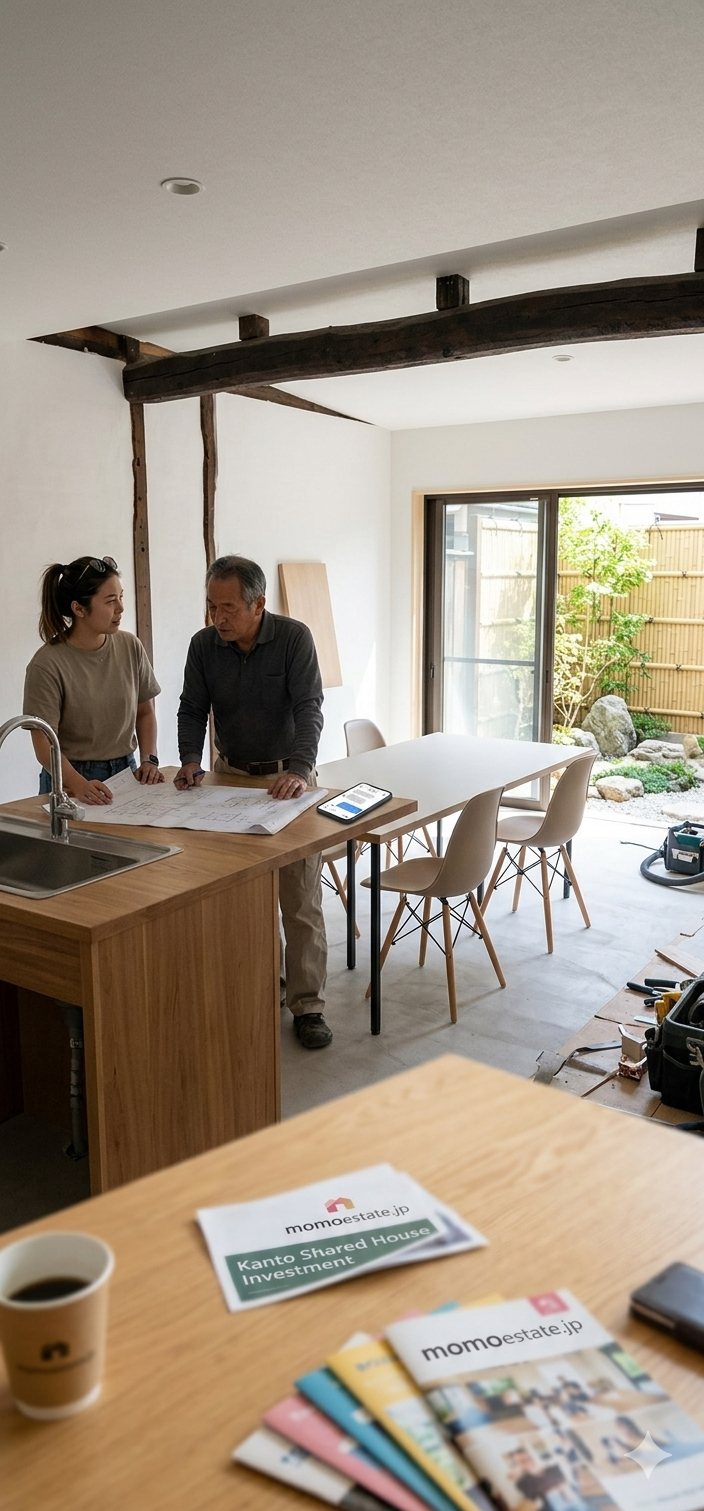
Small property, big returns: The 2026 guide to Japan real estate investment
1. Why “Micro-Investing” is the top Japan real estate trend?
For many international investors, the Japan real estate investment market often feels gated by high price tags in central Tokyo. However, in 2026, a more surgical strategy is gaining traction: buying small, affordable properties to renovate into high-yield rentals. This method moves beyond speculation and focuses on sustainable, cash-flow-driven passive income in Japan.
As the “Akiya” (vacant house) phenomenon evolves, the secret to passive income in Japan isn’t just finding the cheapest price—it’s about finding a “value-add” property in a high-demand commuter zone. This strategy requires identifying properties with “good bones” but cosmetic defects that deter standard buyers, allowing you to maximize the yield through strategic, cost-effective renovation.
2. The untapped potential of specific Kanto sub markets
While rural houses are cheap, they often lack reliable rental occupancy. This is why the Kanto region (Greater Tokyo Area) remains the gold standard for foreign investors. In 2026, the real opportunity isn’t in Tokyo 23 Wards, where competition is fierce, but in the overlooked suburban hubs.
– The Chiba and Saitama commuter arcs
Areas like Matsudo (Chiba) and Kawaguchi (Saitama) are experiencing significant revitalization. These cities offer affordable Japanese real estate at a fraction of central Tokyo prices while staying within a 45-minute commute. For a renovated shared house investor, these hubs are ideal because they attract young professionals and international students who value connectivity but need lower rent.
– High traffic Kanagawa: More than just commutes
Kanagawa offers unique opportunities in cities like Fujisawa and Chigasaki. Here, you can leverage lifestyle appeal to create shared houses that are desirable not just for utility, but for the experience. These areas command competitive rents and offer strong resale potential as Tokyo residents continue to prioritize quality of life post-pandemic.
3. Why Kanto is the best location for rental property?
While rural houses are cheap, they often lack rental occupancy. This is why the Kanto region remains the gold standard for foreign investors.
– The stability of Tokyo’s orbit
Investing in Saitama, Chiba or Kanagawa allows you to acquire affordable Japanese real estate at a fraction of Tokyo prices while staying within a 45-minute commute to major hubs. This “commuter belt” is the prime territory for the shared house model.
– Airbnb Japan vs. long-term rentals
Kanto offers the most flexibility for short-term rentals (Minpaku). With tourism hitting record highs in 2026, a well-located small property can function as an Airbnb in Japan during peak seasons or a stable shared house for long-term residents.
4. The “Renovate-to-Rent” Blueprint for High Yield
If you are looking to buy property in Japan to turn into a rental, use this checklist to ensure your Return on Investment (ROI):
| Feature | Requirement | SEO Benefit |
| Seismic Standards | Post-1981 (Shin-Taishin) | Essential for Japan property financing. |
| Station Proximity | < 12 mins walk | Maximizes rental demand and resale value. |
| Digital Infrastructure | Fiber-optic & Mesh Wi-Fi | Top requirement for digital nomad housing. |
High-ROI Renovations
To maximize rental yield, focus on lifestyle upgrades rather than just structural fixes:
Shared infrastructure: In a shared house, a stylish common lounge compensates for smaller private rooms.
Modern wet areas: Updating toilets (washlets) and showers is the fastest way to increase monthly rent.
5. Strategy for international investors in 2026
As discussed in our recent consultations, the first step to investing in Japan is defining your maximum price range. In the current market, affordable entry points typically look like:
¥15M – ¥20M: Suburban Kanto condos (High yield, low maintenance).
¥25M – ¥35M: Small fixer-upper houses (Higher equity growth, higher renovation cost).
It is critical to remember that converting a small property into a shared house requires strict adherence to fire safety and zoning regulations. The application of the Building Standards Act, particularly regarding firewall separation and emergency exits, must be factored into your renovation budget from day one. In 2026, compliance is not optional and affects long-term management and eventual exit strategy. A professionally managed shared house can mitigate many non-occupancy risks associated with traditional rentals.
The 2026 Roadmap to Passive Income:
Strict Budgeting: Factor in 10% for closing costs and taxes, plus a 20% contingency on the renovation budget.
Target Niche Selection: Define if you are targeting students, young foreign professionals, or tourists via Airbnb.
Tailored Professional Guidance: Success depends on partnering with a local agent specializing in foreigner-friendly real estate services and value-add properties.
Are you looking for the best yield in the Kanto rental market? Let’s discuss your budget and tailor a property search based on your investment goals.