
Why Live in Koenji, Tokyo? The Ultimate Guide to Rent, Train Access, and Subculture Lifestyle in Suginami Ward
For decades, Tokyo has been globally celebrated for its hyper-futuristic skyscrapers, neon intersections, and pristine, high-status residential zones. Yet, just a few train stops west of Shinjuku sits an entirely different urban ecosystem. Koenji (高円寺) is widely considered by Tokyo locals, artists, and independent expats to be the absolute capital of Tokyo’s alternative subculture, vintage fashion, and underground music scene.
Located in the eastern portion of Suginami City (Suginami-ku), Koenji resists the corporate, steel-and-glass gentrification seen in other central Tokyo hubs. Instead, it offers a deeply community-driven lifestyle defined by low-rise traditional architecture, maze-like shotengai (covered shopping arcades), highly affordable local dining, and an anti-mainstream attitude.
For those looking to rent an apartment in Tokyo that balances rapid transit access with distinct artistic character and highly competitive rental rates, this comprehensive Koenji neighborhood guide explores everything you need to know about setting up long-term roots here.
Key Takeaways
Unbeatable Shinjuku Access: Just a 6-to-8-minute direct ride to Shinjuku Station via the JR Chuo and Sobu lines.
Thriving Vintage & Music Subculture: Home to the highest concentration of vintage clothing thrift stores, used record shops, and underground “live houses” in the Tokyo metropolis.
Budget-Friendly Living: Average apartment rental costs sit significantly lower than neighboring central wards, supported by an abundance of cheap local supermarkets and street-side eateries.
The Spirit of Shitamachi: A high-density network of active shopping streets (shotengai) fosters a tight-knit, welcoming community atmosphere.
The Famous Awa Odori: Every August, the neighborhood hosts the Tokyo Koenji Awa-Odori Festival, drawing over 10,000 traditional dancers and 1 million spectators to its streets.
Best For vs. Not Best For
| Best For | Not Best For |
| Renters seeking rapid Shinjuku access without paying high Shinjuku rent premiums | Individuals seeking sleek, high-end luxury tower mansions and elite corporate status |
| Creatives, musicians, vintage fashion lovers, and subculture enthusiasts | People who want high-end Western fashion boutiques and luxury department stores |
| Budget-conscious single professionals, students, and remote workers | Families who strictly require expansive suburban yards and wide, car-friendly roads |
| Food lovers who enjoy cheap izakayas, local ramen shops, and retro kissaten coffee houses | Residents looking for highly polished, quiet, and architecturally uniform residential zones |
| Expats seeking an open-minded, highly social, and organic neighborhood community | Corporate commuters who cannot stand lively weekend street activity and festival crowds |
Where Is Koenji in Tokyo?
Geographically, Koenji is anchored in the eastern wing of Suginami Ward, a prominent residential sector in Western Tokyo. It sits directly along the historic Chuo line corridor, positioned immediately west of Nakano and east of Asagaya and Ogikubo.
The living area naturally splits into two main sectors divided by the raised tracks of JR Koenji Station: Koenji-Kita (North Koenji) and Koenji-Minami (South Koenji).
                    [JR CHUO / SOBU LINE]
                             │
       ├──► KOENJI-KITA (North Side): Junjo Shotengai,
       │    cozy izakaya alleys, residential pockets
       │
       └──► KOENJI-MINAMI (South Side): Pal Arcade, Look Street,
            high-density vintage shops, down to Shin-Koenji Station
Further south, the neighborhood tapers into the territory of Shin-Koenji Station, which is serviced by the Tokyo Metro Marunouchi subway line. This dual-station layout means that regardless of where you choose your Tokyo apartment, you are rarely more than a 10-minute walk from a high-speed transit gateway into central Tokyo.
The Fascinating History of Koenji: From Temple Town to Punk Capital
To truly understand Koenji’s modern identity, one must look at how it evolved. The neighborhood takes its name from Shukuhozan Koenji (高円寺), a beautiful, historic Buddhist temple established in the early Edo period. The area originally developed as a quiet agrarian village and an occasional stopping point for travelers along the historic Ome Kaido highway.
The true turning point arrived with the Great Kanto Earthquake of 1923. As central Tokyo lay in ruins, thousands of working-class citizens, laborers, artisans, and small traders migrated westward to the stable ground of Suginami. They brought with them a gritty, self-reliant merchant spirit, quickly establishing dense open-air markets and tight residential blocks.
[1923 Great Kanto Earthquake] ──► Rapid westward migration of working-class Tokyoites
                                           │
[1950s Urban Rebirth]         ──► Birth of the Koenji Awa Odori to revitalize local shops
                                           │
[1970s-1980s Youth Movement]  ──► Ground zero for Tokyo's punk rock, counterculture & vintage thrift
In the late 1970s and 1980s, while the rest of Tokyo was riding the high-tech, corporate wave of Japan’s economic bubble, Koenji became ground zero for Tokyo’s punk rock movement and alternative youth counterculture. Because the area retained its cheap rent and small wooden storefronts, it naturally attracted cash-strapped student radicals, avant-garde artists, and experimental musicians.
Instead of tearing down old buildings to build mega-malls, the locals transformed old alleys into independent live music venues (live houses), DIY art galleries, and secondhand thrift shops. This historic decision preserved a bohemian atmosphere that remains completely intact today.
Why Do Long-Term Residents Choose Koenji?
When apartment hunting in Tokyo, renters frequently fall into the trap of picking an area based solely on a short commute time. Koenji satisfies that logistical requirement while providing an unmatchable quality of life.
Top reasons renters fall in love with Koenji:
Unrivaled Walkability: The entire district is designed for pedestrians and cyclists, featuring interconnected, mostly car-free shopping streets.
Profound Subculture Identity: You live amidst living history—whether your passion is retro 1980s toys, rare vinyl records, or antique Victorian fashion.
Affordable Gastronomy: Koenji features an legendary local food scene, teeming with competitive ramen shops, independent curry houses, and vibrant night spots.
High Social Connectedness: Unlike the cold, anonymous feel of massive hubs like Roppongi or Shinjuku, Koenji shopkeepers and bartenders are famously warm, conversational, and welcoming to foreign residents.
Train Access and Commuting Convenience from Koenji Station
Logistically, Koenji is an absolute powerhouse for daily commuters traveling into the commercial hearts of Tokyo. The area is anchored by two major train stations: JR Koenji Station in the center and Tokyo Metro Shin-Koenji Station to the south.
Average Travel Times from JR Koenji Station (Chuo/Sobu Lines)
| Destination Station | Average Commute Time | Transit Line Details |
| Nakano | 2 minutes | 1 stop away via JR Chuo Line Rapid |
| Shinjuku | 6–8 minutes | Direct via JR Chuo Line Rapid |
| Yotsuya | 12–14 minutes | Direct via JR Chuo Line Rapid |
| Ochanomizu | 16–18 minutes | Direct via JR Chuo Line Rapid |
| Tokyo Station | 19–21 minutes | Direct via JR Chuo Line Rapid; ideal for business commutes |
| Akihabara | 22–24 minutes | Direct via JR Chuo Local / Sobu Line |
| Shibuya | 15–18 minutes | Quick transfer via Shinjuku (JR Yamanote Line) |
| Ikebukuro | 16–19 minutes | Quick transfer via Shinjuku (JR Yamanote Line) |
Crucial Chuo Line Weekend Rule: On Saturdays, Sundays, and national holidays, JR Chuo Line Rapid trains do not stop at Koenji, Asagaya, or Nishi-Ogikubo stations in order to streamline long-distance travel to Tokyo’s western suburbs. On weekends, residents simply utilize the JR Chu-Sobu Line (Local), which stops at Koenji continuously, adding a negligible 2 to 3 minutes to the Shinjuku commute.
The Marunouchi Line Advantage via Shin-Koenji Station
For residents living in the southern half of the neighborhood, Shin-Koenji Station provides direct access to the Tokyo Metro Marunouchi Line. This subway line is highly prized by Tokyo professionals because it cuts horizontally across the city, offering direct, transfer-free access to major commercial and political nerve centers:
Shinjuku-Sanchome: 8 minutes (Prime retail and entertainment district)
Ginza: 23 minutes (Upscale shopping and dining)
Otemachi / Marunouchi: 26 minutes (Tokyo’s primary financial district)
How Much Is Rent in Koenji? (2026 Rental Market Analysis)
Despite its massive popularity among young Tokyoites and expats, Koenji’s real estate market remains remarkably reasonable, especially when contrasted against the astronomical rent increases seen inside the JR Yamanote loop.
Because Suginami Ward features a massive volume of low-rise, high-density residential blocks, there is a constant supply of diverse housing options ranging from classic wooden apartments (mokuzo) to ultra-modern reinforced concrete studio units.
Average Rent Prices by Apartment Layout in Koenji
| Apartment Layout | Approximate Size (sqm) | Average Monthly Rent (2026 Data) |
| 1R (Studio) | 15 – 22 sqm | ¥68,000 – ¥80,000 |
| 1K (Separated Kitchen) | 20 – 26 sqm | ¥75,000 – ¥90,000 |
| 1DK (Bedroom + Dining) | 25 – 35 sqm | ¥95,000 – ¥115,000 |
| 1LDK (Bedroom + Living/Dining) | 35 – 50 sqm | ¥135,000 – ¥165,000 |
| 2LDK (Two Bedrooms + Living) | 50 – 70 sqm | ¥175,000 – ¥220,000 |
Note: Upfront moving costs in Koenji typically mirror standard Japanese real estate practices, including security deposits (shikikin), agency fees, and occasionally key money (reikin). However, given the competitive nature of the Suginami rental market, an increasing number of foreigner-friendly apartments and share houses operating with “zero key money” policies can be uncovered with diligent searching.
Suginami vs. Central Wards: Rent Comparison Matrix
| Neighborhood / Station | General Rent Bracket | Proximity to Shinjuku | Primary Lifestyle Aesthetic |
| Koenji | Budget-Friendly / Mid | 6–8 minutes | Alternative, vintage, artsy, community shitamachi |
| Nakano | Mid | 4 minutes | Subculture-heavy, denser, famous covered arcades |
| Shinjuku | High / Premium | 0 minutes | Hyper-urban, corporate skyscraper, neon commercial |
| Kichijoji | Mid-High | 12–15 minutes | Upscale trendy, massive park, highly desirable family hub |
| Asagaya | Budget-Friendly / Mid | 10 minutes | Jazz-centric, literary, calmer and leafier residential |
Daily Life, Neighborhood Safety, and Essential Shopping
Day-to-day life in Koenji revolves entirely around its iconic Shotengai (Shopping Streets). When you step out of the station, you are immediately greeted by these vibrant pedestrian arteries, each possessing its own unique subculture and retail flavor.
The Major Koenji Shopping Streets
Koenji Junjo Shotengai (North Side): Immortalized in Japanese literature, this bustling, friendly street features traditional greengrocers, affordable drugstores, local medical clinics, and an endless array of casual dining options.
Koenji Pal Street (South Side): A massive, beautifully covered shopping arcade that keeps residents entirely dry on rainy days. Pal Street is a major fashion artery, lined with vintage boutiques, retro toy stores, and specialty cafes.
Koenji Look Street (Further South): Extending directly from the end of Pal Street all the way down toward Shin-Koenji Station, Look Street is an absolute paradise for serious vintage collectors, antique hunters, and lovers of mid-century Americana.
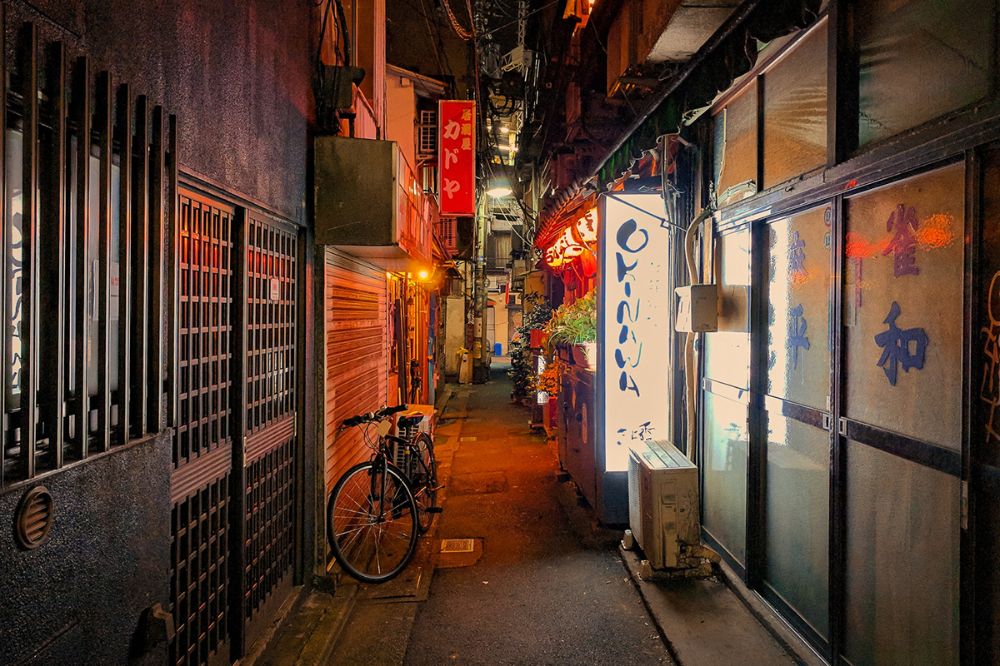
Koenji Street & Under-Track Alleys: Running parallel below the elevated concrete train tracks, these dark, atmospheric alleys are packed with tiny izakayas, yakitori stalls, and cozy drinking dens that light up beautifully with traditional red paper lanterns (akachochin) every evening.
Supermarkets and Household Goods
For daily groceries, Koenji is exceptionally well-equipped for budget living. Unlike upscale neighborhoods where high-end boutique grocers dominate, Koenji features multiple competing high-volume supermarkets:
Inageya: Located on the north side, excellent for fresh produce, meats, and household staples.
Seiyu: A massive, multi-level 24-hour supermarket right near the station, offering rock-bottom prices on bento boxes, groceries, and daily essentials.
Olympic: Great for affordable dry goods, home lifestyle items, and electronics.
Neighborhood Safety Profile
Despite its edgy, punk rock history and energetic nightlife scene, Koenji boasts an exceptionally high safety rating, completely aligning with Tokyo’s low-crime reputation. The nightlife here is deeply social and community-regulated rather than aggressive. Single professionals, students, and female renters can confidently walk home through the well-lit shotengai at any hour of the night without hesitation.
The Culinary Scene: From Legendary Tempura to Under-Track Izakayas
Koenji is a food lover’s paradise that heavily rewards exploration. It completely shuns pretentious, fine-dining establishments in favor of high-flavor, low-cost culinary institutions that have been operated by local families for generations.
[Koenji Food Map]
     ├── Station Under-Tracks ──► Yakitori, Craft Beer, Smoky Outdoor Izakayas
     ├── Northern Alleys       ──► Competitive Ramen Hubs, International Food Courts (Daiichi Ichiba)
     └── Look / Pal Streets    ──► Hidden Retro Cafes (Kissaten), Artisanal Bakeries
Must-Visit Local Food Specialties:
The Legendary Tempura Performance: No article about Koenji is complete without mentioning Tensuke, an iconic counter-only tempura restaurant. Famous worldwide for its charismatic chef who performs artistic flourishes while frying, their signature Tamago Set (soft-boiled egg tempura over hot rice with sweet shoyu glaze) is a culinary rite of passage.
Daiichi Ichiba (The International Secret Food Court): Tucked away inside a retro, inconspicuous concrete market building on the north side, this space opens up into a atmospheric cluster of tiny restaurants serving everything from authentic Vietnamese pho and spicy Thai curries to rustic Japanese stews.
The Specialty Coffee & Kissaten Culture: If you want to read, work, or relax, Koenji offers some of Tokyo’s most eccentric cafes. From R-za Dokushokan (a legendary, silent “reading cafe” packed with dense indoor trees, antiquarian books, and trickling water fountains) to cozy neighborhood joints filled with mismatched vintage armchairs, the cafe culture here encourages you to slow down and stay a while.
Culture and Festivals: The World-Famous Awa Odori
To live in Koenji is to participate in one of Tokyo’s most passionate cultural traditions. While the neighborhood supports a year-round calendar of events—including the Koenji Bikkuri Street Performance Festival in spring and Koenji Fest in autumn—everything culminates in the spectacular Tokyo Koenji Awa-Odori Festival.
Held annually during the final weekend of August, this historic festival began in 1957 as a humble initiative by local shopkeepers to revitalize the small shopping alleys. Today, it has exploded into the largest Awa Odori festival outside of Tokushima Prefecture (the dance’s ancestral home).
For two days, the entire neighborhood shuts down to traffic. Over 10,000 costumed dancers and musicians playing traditional flutes and taiko drums march rhythmically through the shotengai, surrounded by a million cheering spectators eating street food. For residents, it is a point of immense local pride and a beautiful demonstration of the neighborhood’s powerful community bond.
Summary: Is Renting an Apartment in Koenji Right for You?
Koenji is not just a place to store your belongings between office shifts; it is a lifestyle choice. It intentionally rejects the sterile, uniform layout of modern city planning to preserve a human-scale neighborhood where self-expression, local history, and independent business can actively thrive.
If your goal is to maximize your monthly rental budget, secure a lightning-fast commute directly into Shinjuku, and immerse yourself daily in a warm, welcoming community overflowing with vintage art, music, and local character, Koenji is arguably one of the finest neighborhoods to call home in Tokyo.